Source: Sabine Wichmann
Cultivating peatlands sustainably with the correct tyre pressure
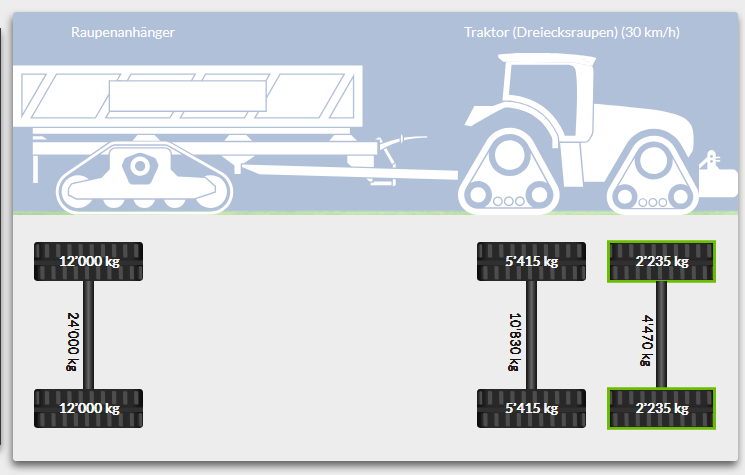
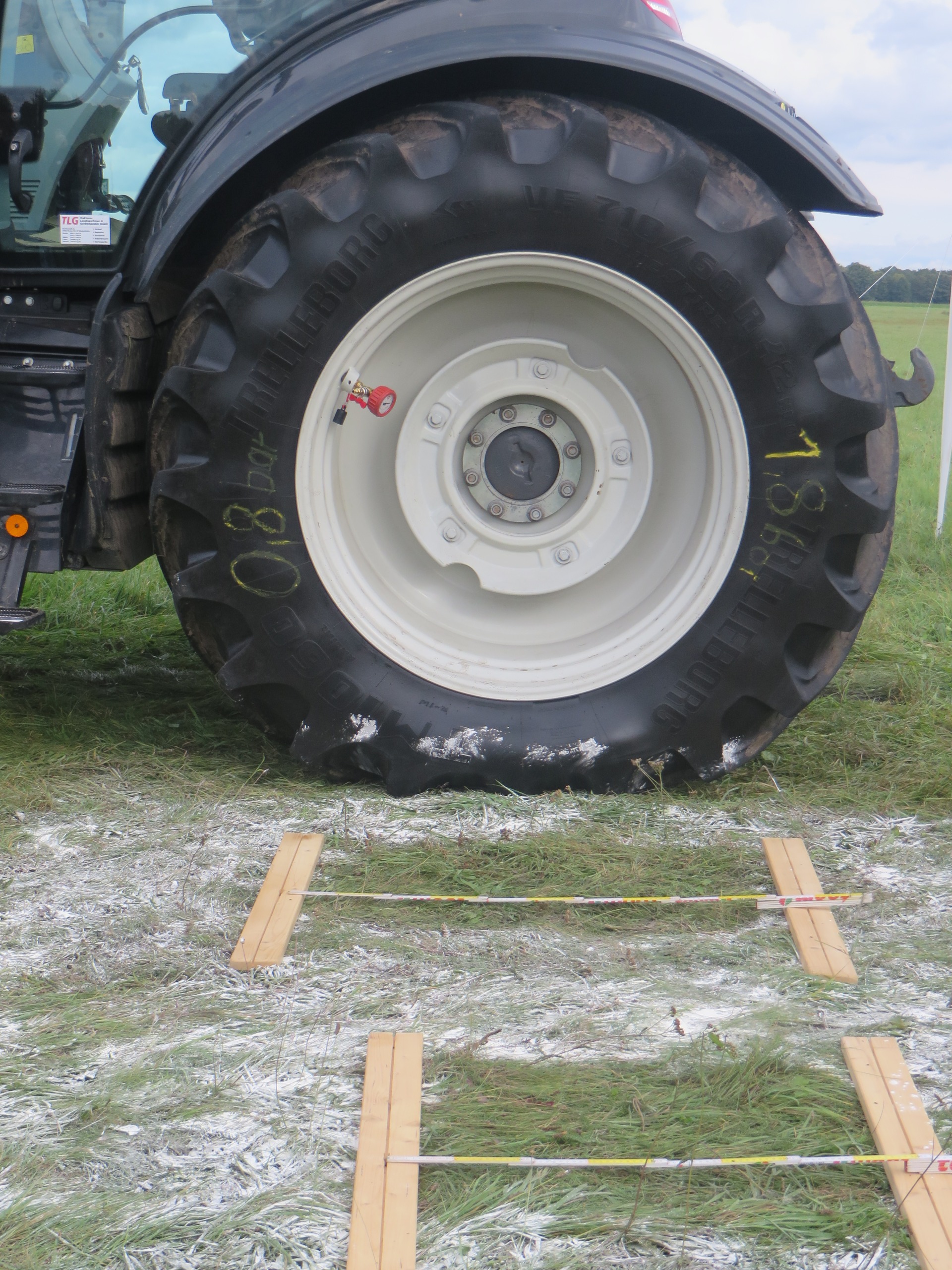
Tyre pressure is particularly important when managing wet peatlands, as it has a significant impact on the amount of pressure exerted on the ground. Low tyre pressure increases the tyre’s contact area with the ground and distributes the engine’s weight over a larger area. This reduces ground pressure, thereby minimising the risk of deep ruts, soil compaction and damage to the sensitive peatland surface.
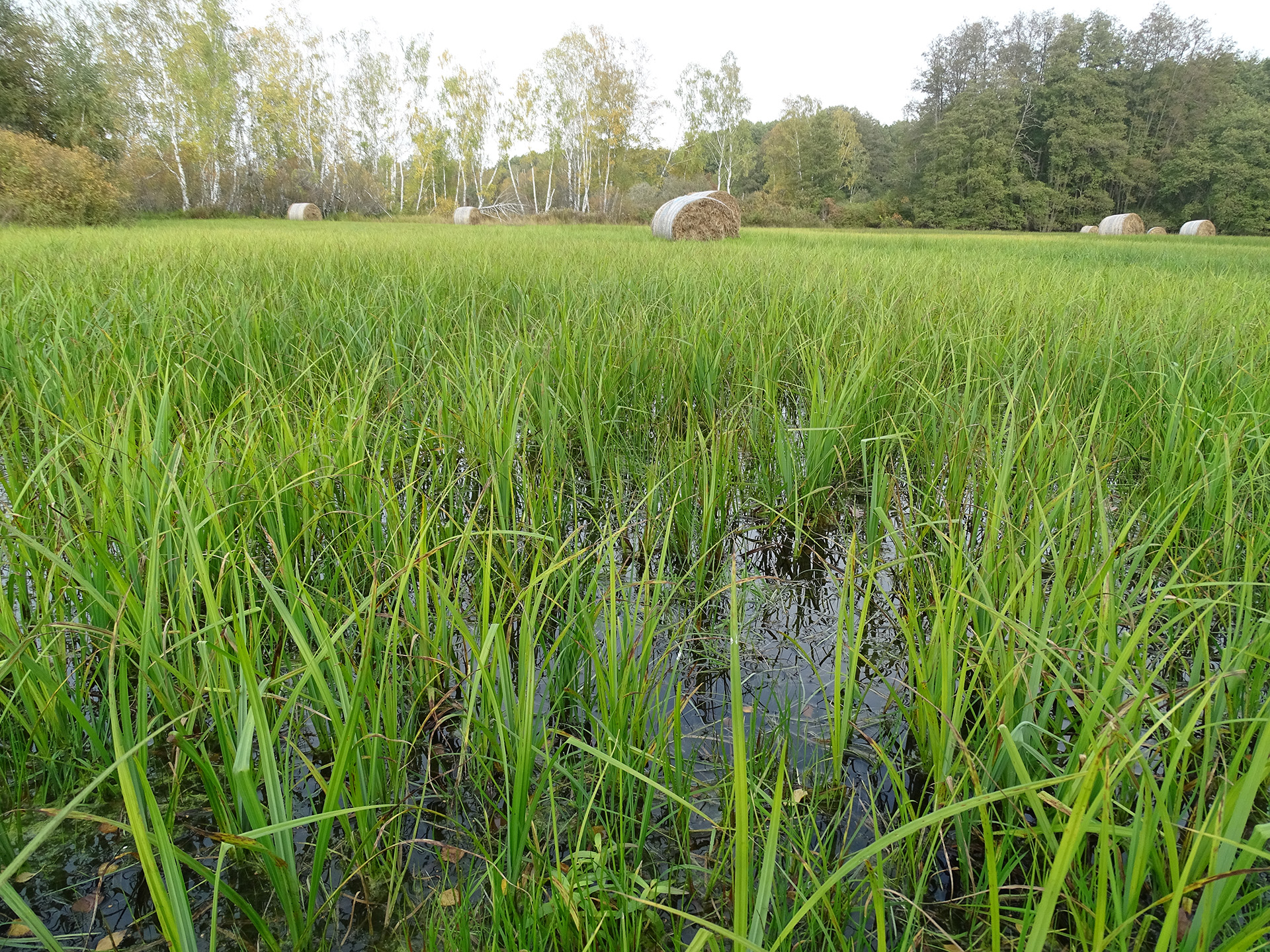
This is particularly important on wet peatland soils: tyre pressure that is too high can cause engines to sink in more deeply and damage the vegetation cover. Adjusting the tyre pressure to a lower level therefore helps to manage the land gently and prevent soil damage.
DLG Fact Sheet 502, ‘Adjusting Tyre Pressure’, examines how the tyre pressure of agricultural machinery can be adapted to different operating conditions. Tyre pressure influences not only soil-conserving practices and traction in the field, but also driving safety, fuel consumption and tyre wear on the road. The measurements taken relate to studies carried out on mineral soils. However, it is likely that similar relationships apply to peat soils.
Download
DLG Fact Sheet 502 provides a comprehensive introduction to the principles behind optimised tyre pressure and its effects.