
About us
We provide expert information on techniques for the management of wet peatlands.
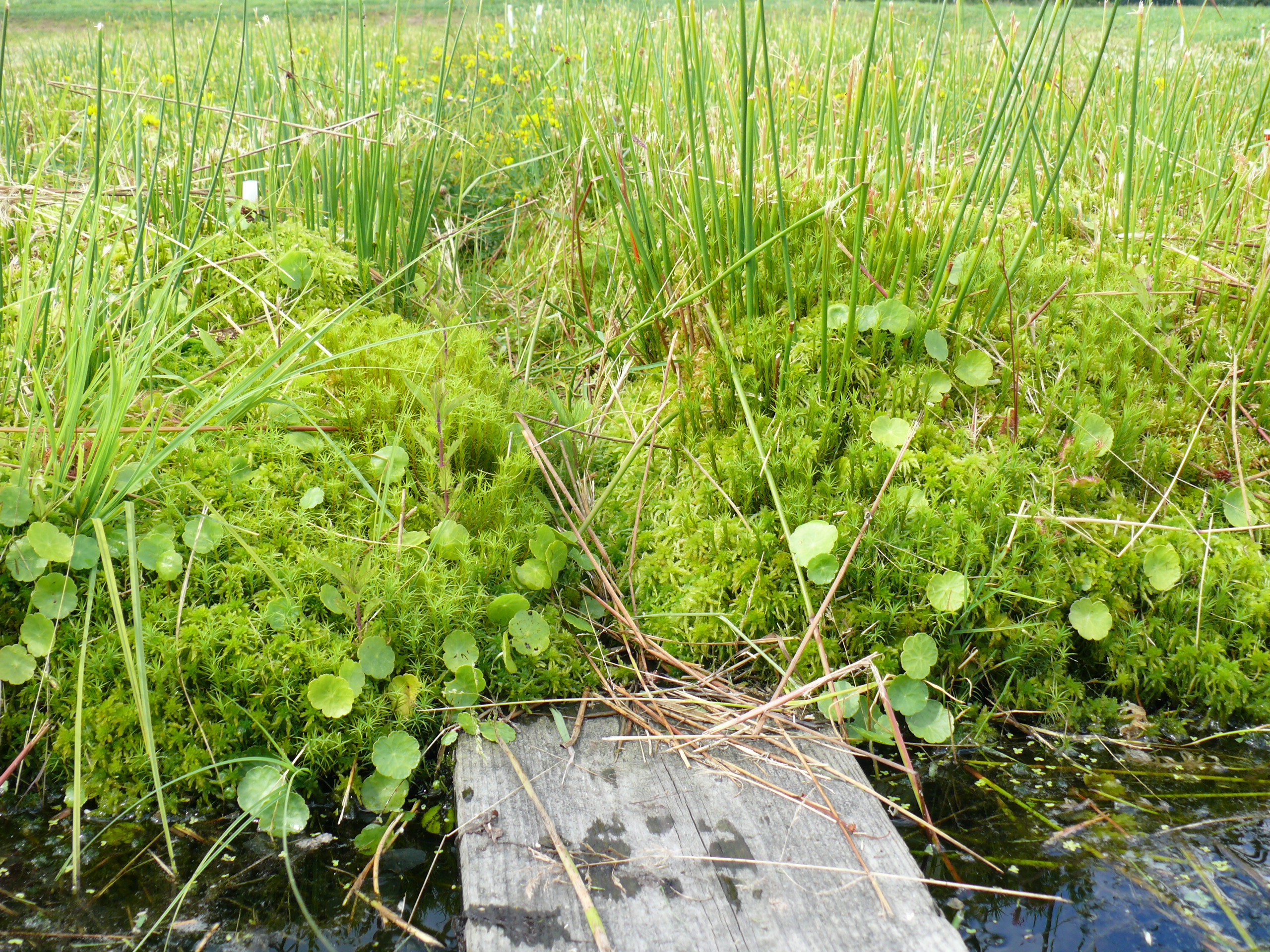
Source: Sabine Wichmann
What is PaludiScout all about?
Paludiculture is the productive agricultural and forestry use of wet and rewetted peatlands with peat preservation. It offers a sustainable alternative to drainage-based management. To put this concept into practice, PaludiScout provides clear and comparative information on suitable agricultural machinery for the management of wet peatlands.
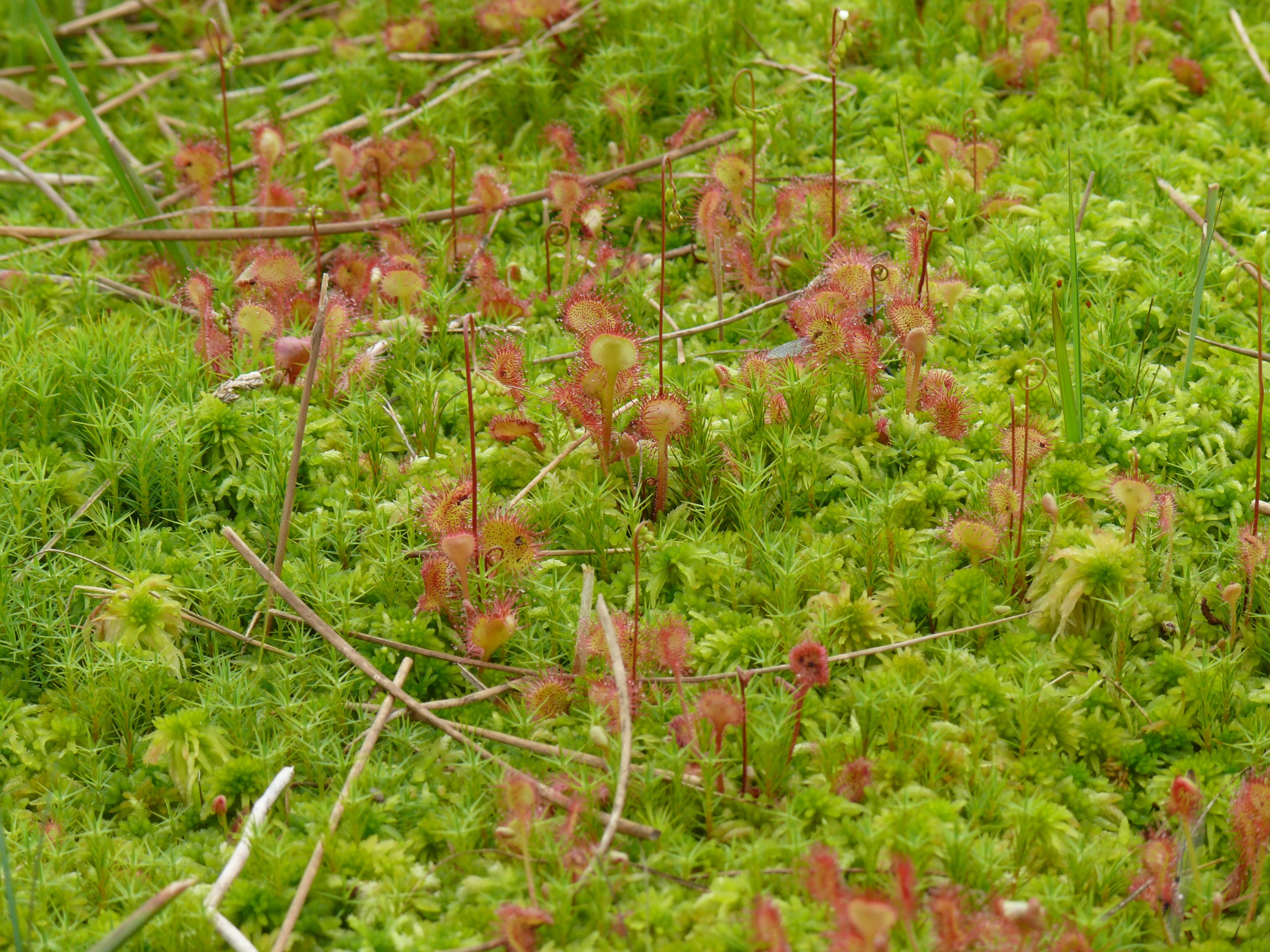
Source: Sabine Wichmann
Technology for wet peatlands
PaludiScout provides an overview of machinery for the management of wet peatlands. As conventional machinery is not suitable for wet peatland sites, machines with low contact pressure are required. PaludiScout offers a platform that brings together machinery and services. The platform lists machinery suitable for wet peatland sites (paludiculture: average depth of –10 to 0 cm) and for water levels in the peripheral areas of paludiculture (less than 10 cm below ground level).
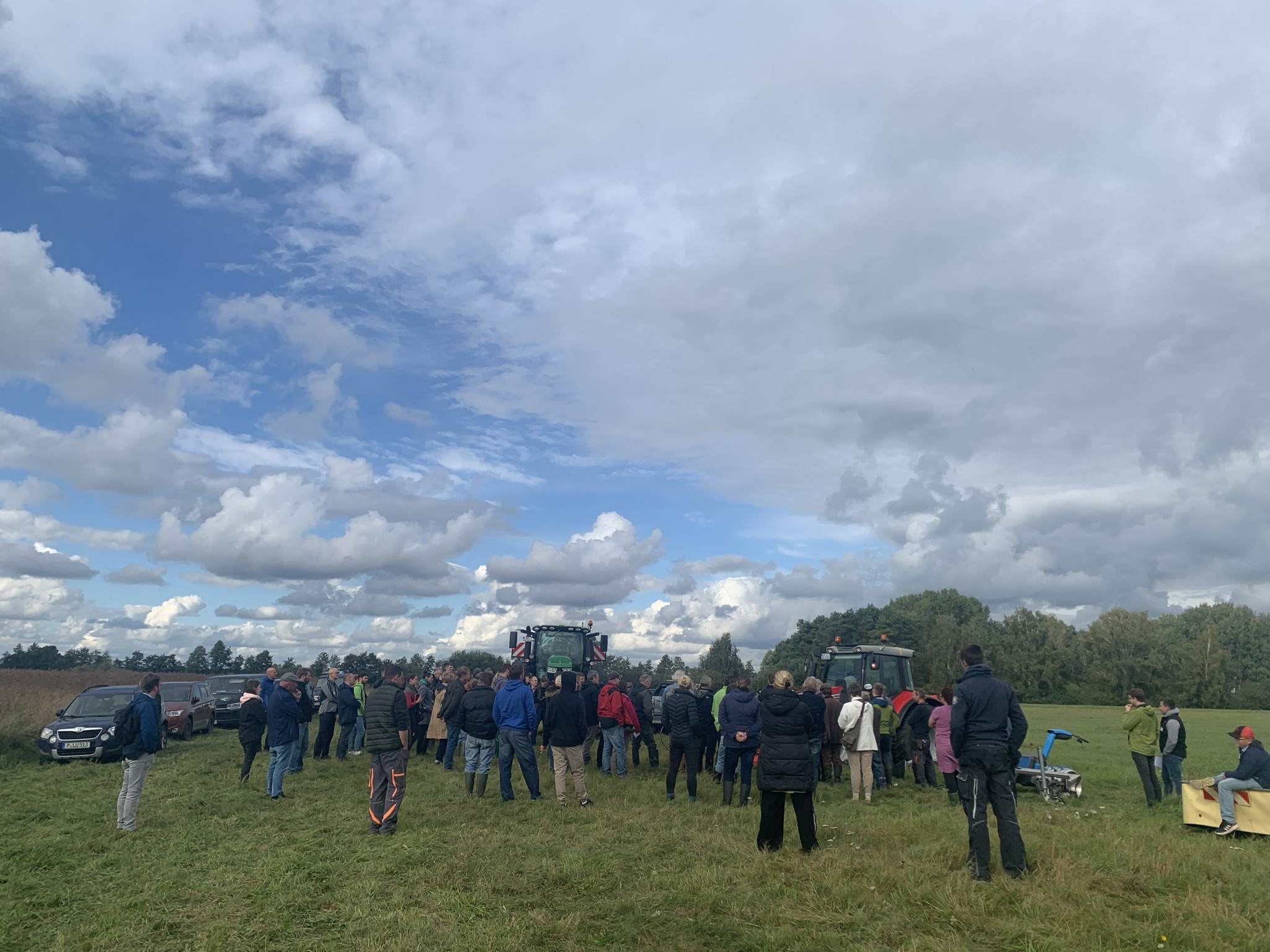
Source: Bas Spanjers
Driving innovation forward together
As well as technical data, PaludiScout also provides information on innovations, methods and practical experience relating to the management of wet peatlands. Many solutions emerge as individual initiatives by committed pioneers. The aim is to work together to bring technical innovations out of the niche and into wider use, for the sustainable, soil-conserving management of wet peatlands that protects both the climate and the soil.
Our mission
PaludiScout lists technologies and services that may be suitable for the management of wet peatlands. To ensure this, we have defined inclusion criteria. One of the most important inclusion criteria for PaludiScout is a maximum contact pressure of 408 g/cm². Information on the use of PaludiScout and liability can be found in the Terms of Use.
Background
The maximum contact pressure of 408 g/cm² refers to a machine including its load, i.e. the gross vehicle weight rating. It was determined on the basis of an analysis of limit values from various funding programmes [1][2], expert interviews and references [3; 4]. The limit value of 408 g/cm² in PaludiScout has deliberately been set so as not to be overly restrictive. This allows PaludiScout to record engines that are not always suitable for managing wet peatlands (water level approx. 0–10 cm below ground level or higher), but also includes engines for moist sites (water level lower than 20 cm below ground level). At the same time, however, this prevents machineries from appearing on PaludiScout that are not suitable for managing moist and wet peatlands. The threshold serves as a guideline. Water levels in peatlands are not uniform but depend on local site characteristics and often fluctuate over the course of the year and from year to year.
Information
Responsibility for selecting and assessing the suitability of the technology or services for the intended purpose, as well as for compliance with legal requirements, lies with the providers and users themselves.
Connected via PaludiCentral
PaludiScout is a product of PaludiCentral – a research and networking project jointly led by the Thünen Institute in Braunschweig and the University of Greifswald, in collaboration with the Michael Succow Foundation. PaludiCentral coordinates the networking of five model and demonstration projects (MuDs) as well as four pilot projects on peatland conservation across five German federal states with extensive peatland areas. Together with PaludiCentral, these projects form the PaludiNet.
Knowledge transfer
To promote the transfer of knowledge, PaludiCentral provides the PaludiScout platform with technical support from experts involved in the PaludiNet projects. PaludiScout offers, for the first time, comprehensive and consolidated information on technics for paludiculture for both professionals and the interested public. PaludiScout provides particular support to farmers with technical queries.
Research
The PaludiCentral coordinates the accompanying scientific research in the fields of natural sciences and economics. The topics range from greenhouse gas emissions, hydrology, soil and biodiversity to planning and approval, agriculture, utilisation and marketing, business management and socio-economics.
Practical
Since 2021, the first PaludiNet projects have been working to put paludiculture into practice and establish value chains using peatland biomass. Technical solutions in agriculture are a key component in optimising these value chains.
Prepared by:

Funded by:
aus dem Sondervermögen Klima und Transformationsfonds
Sources and further information
[1] Investment in climate-friendly land use and the development of organic soils – climate and peatland conservation – investment-related, website as at 3 February 2026
[2] ANK-NABO investment support, website as at 3 February 2026
[3] Wichmann, Sabine; Dettmann, Sebastian; Dahms, Tobias (2016): Agricultural technology for wet peatlands. In: Wendelin Wichtmann, Christian Schröder and Hans Joosten (eds.): Paludiculture – Management of wet peatlands. Climate protection – Biodiversity – Regional added value. Stuttgart: Schweizerbart, pp. 63–70.
[4] Mosebach, P.; Birr, F.; Wenzel, F.; Luthardt, V.; Schleip, I. (2024): Biodiversity-enhancing measures and management techniques for site-appropriate lowland moorland use. Published by the Brandenburg Ministry of Agriculture. Link: https://mleuv.brandenburg.de/sixcms/media.php/9/Standortgerechte-Niedermoorbewirtschaftung.pdf